
🦠 Top Infection Control Mistakes Nurses Make — and How to Avoid Them
Nov 08, 2025
Introduction
Infection prevention isn’t just a routine task—it’s one of the most critical responsibilities in nursing practice. From long-term care to acute settings, even small oversights can lead to serious consequences, including outbreaks, patient harm, and citations from regulatory agencies.
As an Infection Preventionist and LVN educator, I’ve seen how small lapses can create big problems. Let’s look at the most common infection control mistakes nurses make—and how to avoid them.
1. Skipping Hand Hygiene at Key Moments
It’s the simplest rule—and yet the most frequently missed.
The CDC reports that healthcare providers clean their hands less than half as often as they should.
Every time you enter or leave a patient’s room, before donning gloves, and after removing PPE—hand hygiene is a must.
✅ How to avoid it:
-
Follow the 5 Moments of Hand Hygiene: https://www.who.int/publications/m/item/five-moments-for-hand-hygiene?
-
Use alcohol-based sanitizer unless hands are visibly soiled (then wash with soap and water).
-
Keep nails short and avoid artificial nails, which can harbor bacteria.
2. Improper PPE Use or Sequence
Wearing PPE is only effective if used correctly. Common errors include touching contaminated surfaces with gloves, removing PPE in the wrong order, or wearing the same gown between residents.
✅ How to avoid it:
-
Follow the correct PPE sequence:
(print and post it in your med room).
-
Never reuse single-use PPE.
-
Perform hand hygiene immediately after removing any PPE.
3. Contaminating Clean Areas
Many nurses unknowingly spread microorganisms by placing clean supplies or charts on contaminated surfaces. For example, setting a clean dressing tray on a bedside table that hasn’t been disinfected after a prior procedure.
✅ How to avoid it:
-
Always disinfect surfaces before setting up supplies.
-
Keep clean and dirty zones clearly separated during care.
-
Educate CNAs and staff on the importance of maintaining “no-touch” areas during procedures.
🔗 Resource: https://www.cdc.gov/infection-control/hcp/core-practices/index.html?
4. Overlooking Equipment Disinfection
Stethoscopes, blood pressure cuffs, and thermometers are among the most common sources of cross-contamination.
✅ How to avoid it:
-
Wipe all shared equipment between patients with an EPA-approved disinfectant.
-
Assign dedicated equipment to isolation rooms whenever possible.
-
Document daily cleaning logs for accountability and compliance.


5. Poor Antibiotic Stewardship Awareness
Many nurses assume antibiotics are harmless, but misuse accelerates resistance. Even administering antibiotics outside of prescribed time frames can contribute to the problem.
✅ How to avoid it:
-
Review antibiotic start/stop dates during med pass.
-
Report any adverse reactions or lack of improvement to the provider.
-
Familiarize yourself with https://www.pharmacy.umaryland.edu/media/SOP/wwwpharmacyumarylandedu/centers/lamy/antimicrobial-stewardship/mcgeer-criteria-for-infection-surveillance-checklist_form.pdf?.
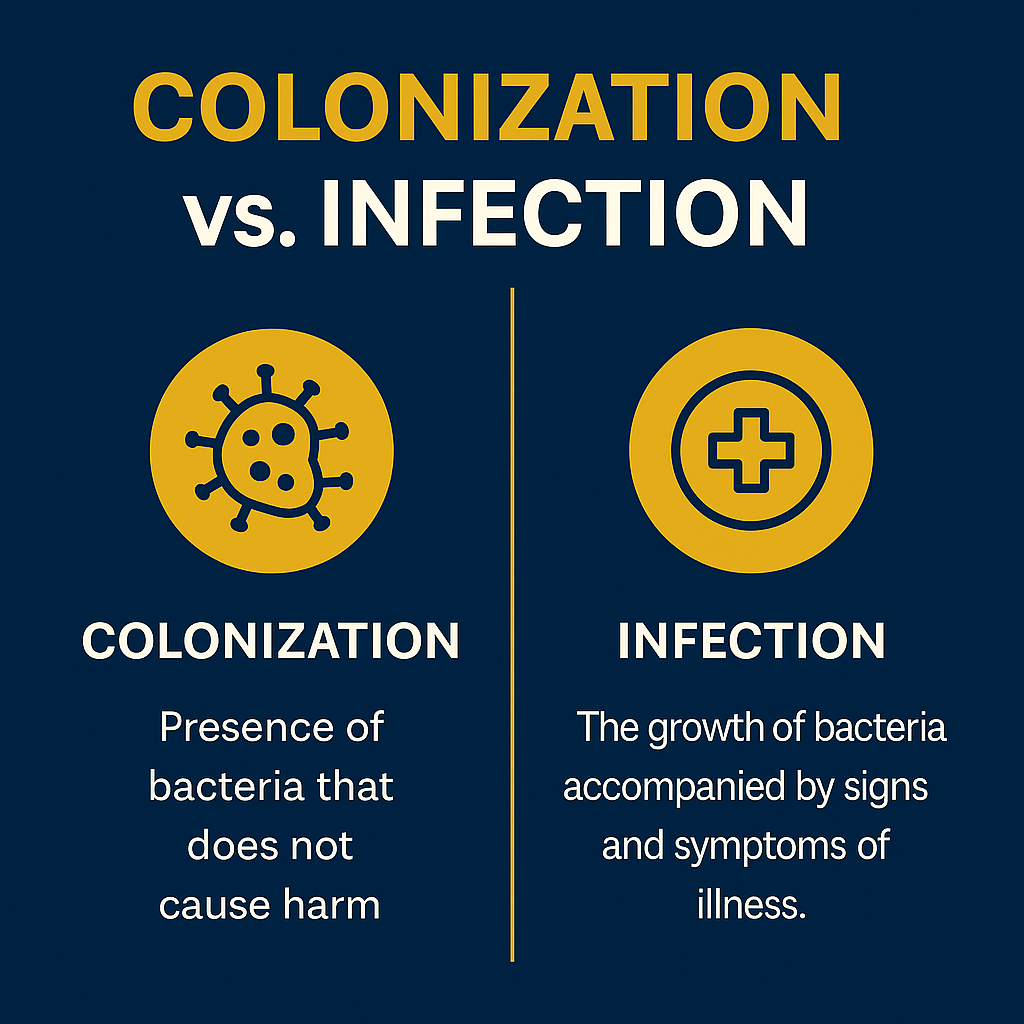
6. Failing to Identify Colonization vs. Infection
Not every positive culture means infection. Treating colonized residents unnecessarily exposes them to antibiotics—and increases resistance risks.
✅ How to avoid it:
- https://publichealth.lacounty.gov/acd/docs/SNFMDROGuidance.pdf?
-
Monitor for new signs and symptoms—don’t rely on lab results alone.
7. Forgetting to Educate Residents and Families
Infection control isn’t just the nurse’s job. When families or residents don’t understand precautions, compliance drops.
✅ How to avoid it:
-
Explain isolation precautions in plain language.
-
Post clear signage on room doors.
-
Provide handouts from the CDC’s Long-Term Care Infection Prevention Toolkit.
Conclusion
Infection control is the backbone of safe nursing care. Small mistakes—like skipping hand hygiene or reusing PPE—can have major consequences. By staying informed and consistent, LVNs can protect residents, co-workers, and themselves.
💡 Continue Your Infection Control Education
At LVN Learning Institute, we offer CEU courses designed for California nurses, including:
-
Infection Control & Standard Precautions for the Practical Nurse
-
Emergency Preparedness & Disaster Response in LTC
-
Antibiotic Stewardship in Skilled Nursing Facilities
👉 Explore our CEU bundle todayat https://www.LVNLearninginstitute.com
and earn your required hours while staying up to date with infection prevention best practices.