Is Someone Recording You? What Every Nurse Should Know
Aug 30, 2026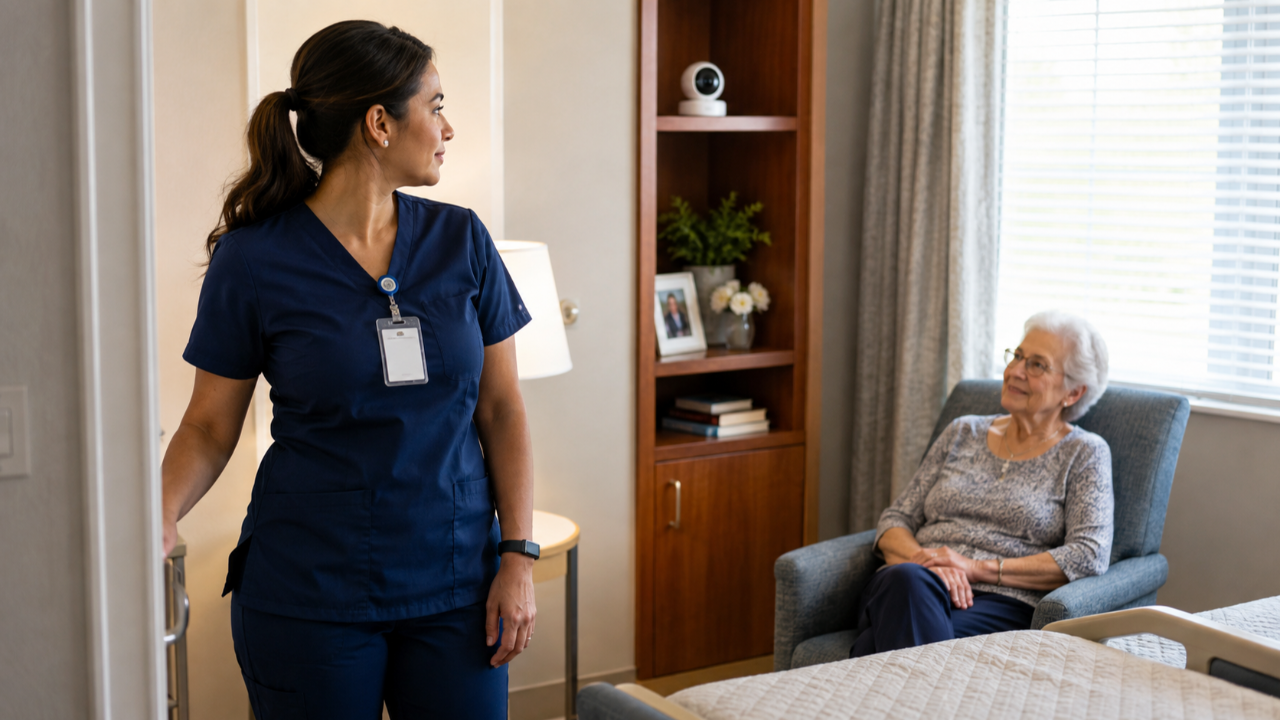
A Camera in the Room Changes the Conversation
You enter a resident’s room to provide care and notice a small device on a shelf. Is it a clock, a speaker—or a camera? What if you never notice it at all?
Cameras in resident rooms are becoming an increasingly important issue in long-term care. Families may use them because they live far away, worry about a loved one who cannot communicate clearly, or suspect neglect or mistreatment. A recording may provide reassurance, raise serious concerns, or become evidence in a complaint or investigation.
For nurses, the issue can feel uncomfortable. No one wants every movement judged from a short video clip. At the same time, the resident’s room is the resident’s home, and residents have rights to safety, dignity, privacy, and participation in decisions about their lives. Understanding those competing concerns is more useful than reacting with fear or anger.
Can Families Place Cameras in Nursing-Home Rooms?
The most accurate answer is: it depends. California does not have one simple rule that makes every hidden camera lawful or unlawful. Whether monitoring is permissible can depend on the type of device, whether it records audio, who consented, whether the room is shared, the resident’s decision-making capacity, where the camera is aimed, and the facility’s written policy.
A resident’s room is not an ordinary workplace area. Federal nursing-home regulations recognize a resident’s right to personal privacy, including privacy during accommodations, medical treatment, personal care, visits, and spoken and electronic communications. A camera that captures a roommate, toileting, bathing, wound care, or another resident’s health information can create serious privacy and dignity concerns.
Audio creates an additional legal issue. California Penal Code section 632 generally prohibits intentionally recording a confidential communication without the consent of all parties to that communication. A device that silently records video is therefore not automatically treated the same way as one that also captures private conversations.
The Camera May Be Visible—or You May Never See It
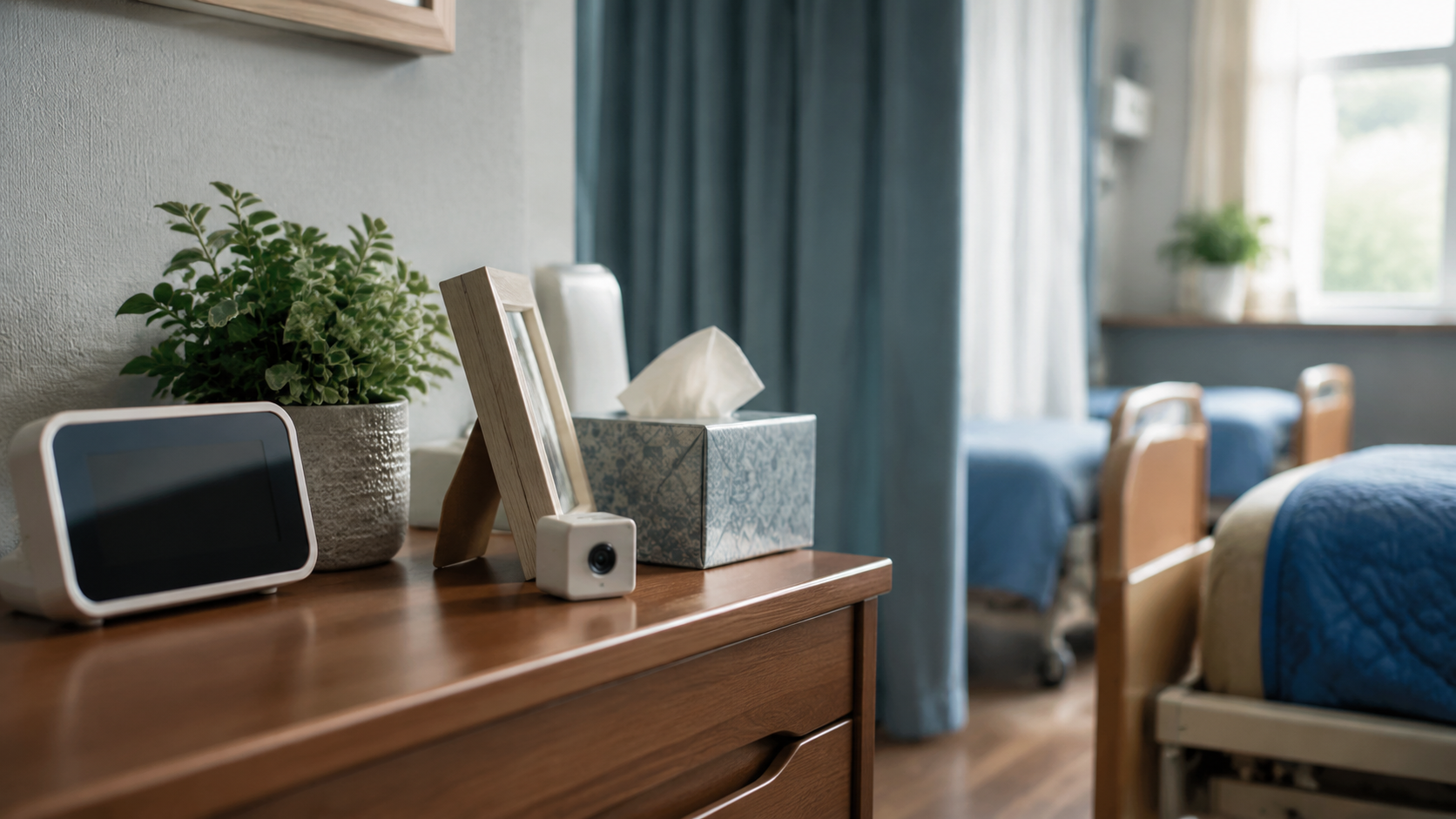
Some facilities require families to disclose monitoring equipment or post a notice. In other situations, a device may be small, disguised, or placed without the direct-care team’s knowledge. Nurses should follow facility policy rather than searching a resident’s belongings, covering a device, unplugging it, changing its position, or confronting the family independently.
If you discover an unfamiliar device, notify the charge nurse or administrator and document or report the concern through the facility’s established process. Leadership can determine whether the resident or authorized representative consented, whether a roommate’s rights are affected, whether audio is enabled, and whether the device complies with policy and applicable law.
Why Families Turn to Cameras
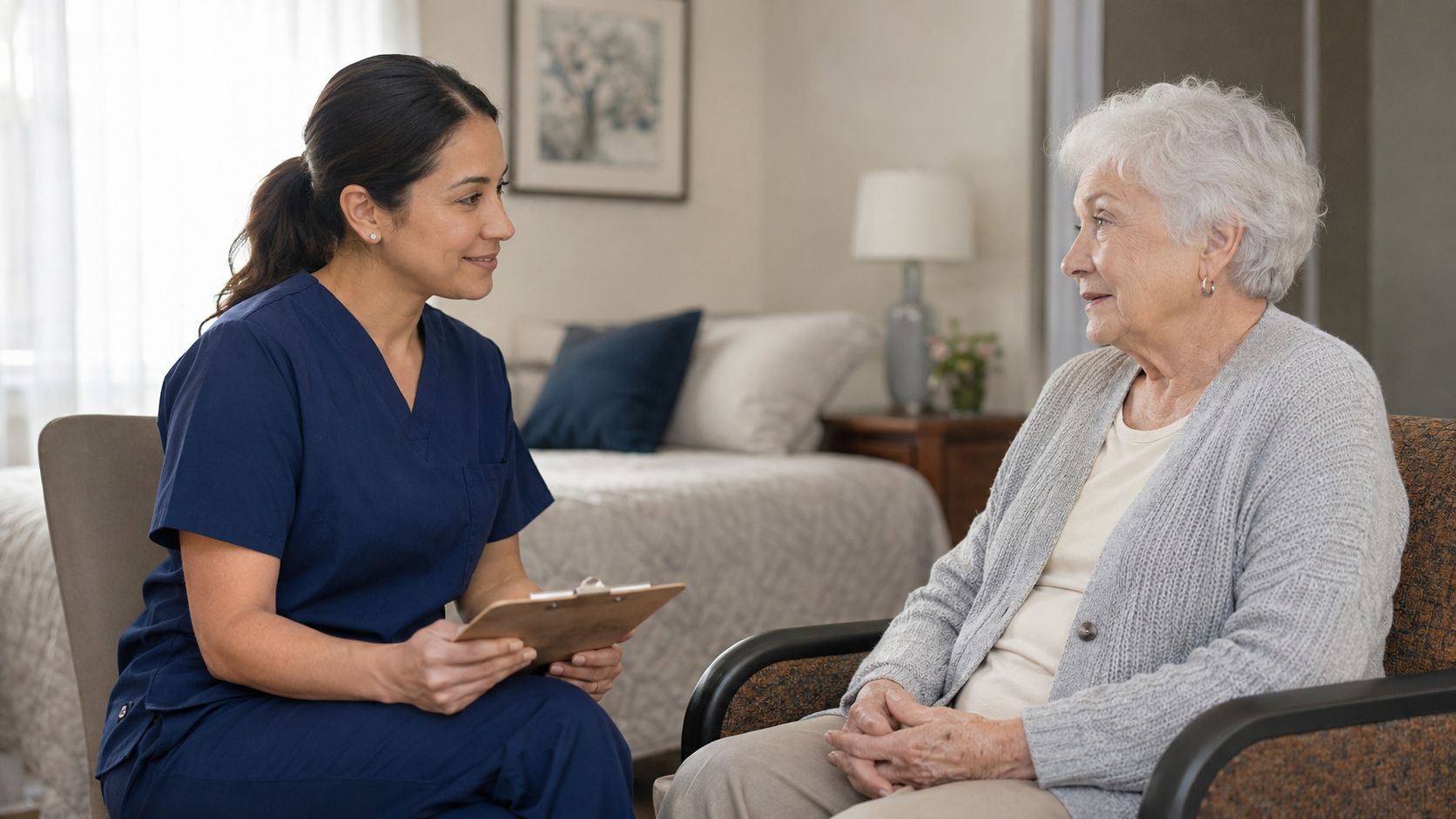
It is easy to interpret a camera as an accusation, but families may have different reasons for monitoring:
• They cannot visit as often as they would like.
• The resident has dementia, aphasia, or another condition that limits communication.
• They want to observe falls, wandering, sleep patterns, or changes in behavior.
• They have noticed unexplained injuries, missing belongings, poor hygiene, or delayed care.
• They want reassurance that their loved one is safe and treated respectfully.
A professional response does not require agreeing with every family decision. It means recognizing the concern, avoiding defensiveness, and directing questions through the appropriate leadership or grievance process.
A Recording Rarely Shows the Whole Story
Video can be powerful, but it can also be incomplete. A brief clip may not show that the resident refused care, that the nurse had already assessed the situation, that the provider was notified, or that an intervention occurred before or after the recording. Camera angles, missing audio, delayed timestamps, and edited clips can remove important context.
That is why accurate, timely documentation matters. The medical record should stand on its own. Document the resident’s condition, relevant assessment findings, care provided, refusals, education, notifications, new orders, interventions, and response. Never chart with the goal of defending yourself against a camera; chart to create an honest clinical record of what occurred.
How Nurses Can Protect Residents—and Themselves
The best protection is not performing for a camera. It is providing the same respectful, competent care whether a camera is present or not.
Protect dignity. Close doors and curtains, keep the resident appropriately covered, explain care before touching the resident, and provide privacy during personal procedures.
Communicate clearly. Introduce yourself, explain what you are doing, listen to the resident, and respond professionally to questions or refusals.
Follow the care plan. Complete ordered care and required monitoring, and promptly report barriers that prevent care from being delivered.
Document objectively. Record facts, observations, notifications, and responses. Avoid blaming language, assumptions, or late entries whenever possible.
Escalate concerns. Report unsafe staffing, missing supplies, changes in condition, suspected abuse, or repeated care delays through the correct chain of command.
Protect confidentiality. Do not discuss another resident, staffing problem, diagnosis, or private matter where a camera or visitor may capture the conversation.
Know the policy. Facilities should have a clear process addressing resident-installed devices, consent, roommates, placement, audio, access, and staff response.
What Nurses Should Never Do
• Do not cover, unplug, damage, reposition, or intentionally block a camera on your own.
• Do not search the resident’s room or belongings looking for recording devices.
• Do not argue with the resident or family about whether they are allowed to record.
• Do not refuse necessary care solely because you feel uncomfortable being recorded; seek direction from your supervisor.
• Do not discuss the resident’s private information within view or hearing of unauthorized people—or assume a device records video only.
• Do not alter, exaggerate, or backdate documentation after learning that an event may have been recorded.
What If the Recording Appears to Show Abuse or Neglect?
A camera does not replace a nurse’s duty to protect residents. If you witness, learn of, or reasonably suspect abuse, neglect, exploitation, or mistreatment, follow mandatory reporting requirements and facility procedures immediately. Preserve resident safety, notify the required individuals and agencies, and do not retaliate against the resident or family for raising a concern.
Similarly, if a recording is being circulated online or appears to expose a resident during private care, notify facility leadership promptly. The resident’s dignity and confidentiality remain central, even when the original purpose of the camera was protection.
The Bigger Question: What Would the Camera See?
The possibility of being recorded may feel unsettling, but it also invites an important professional question: Would the care look respectful, safe, and clinically appropriate to someone who did not know the full story?
A camera cannot capture every staffing challenge, interruption, clinical judgment, or conversation. But it can capture tone of voice, rough handling, ignored call lights, privacy violations, skipped hand hygiene, and the difference between task-centered and person-centered care.
Nurses should not have to work under constant suspicion. Families should not have to use cameras to feel confident that a loved one is safe. Building trust requires transparent communication, adequate staffing, consistent care, responsible leadership, and a culture where concerns are addressed before they become crises.
Final Takeaway
Cameras in resident rooms sit at the intersection of safety, privacy, resident rights, family trust, and employee concerns. The rules are not identical in every facility or every situation, and audio recording can raise additional legal issues in California.
For the LVN, the safest approach is straightforward: know the facility policy, protect resident privacy, provide respectful care, document objectively, and report concerns through the proper channels. Whether a camera is visible, hidden, or not present at all, the standard of care should never change.
References
This article is for educational purposes and is not legal advice. Recording laws and facility policies may change, and specific situations should be reviewed by facility leadership or qualified legal counsel.
California Department of Public Health. (2025, April 16). Nursing home residents’ rights. https://www.cdph.ca.gov/Programs/CHCQ/LCP/Pages/NursingHomeResidentsRights.aspx
California Legislature. (n.d.). California Penal Code § 632: Invasion of privacy—recording confidential communications. California Legislative Information. Retrieved August 16, 2026, from https://leginfo.legislature.ca.gov/faces/codes_displaySection.xhtml?lawCode=PEN§ionNum=632
Electronic Code of Federal Regulations. (2026). 42 C.F.R. § 483.10—Resident rights. https://www.ecfr.gov/current/title-42/chapter-IV/subchapter-G/part-483/subpart-B/section-483.10
Take the next step with continuing education designed for LVNs who serve with purpose.