
Are Potlucks Safe? The Hidden Food Safety Risks Every Nurse Should Know
Aug 03, 2026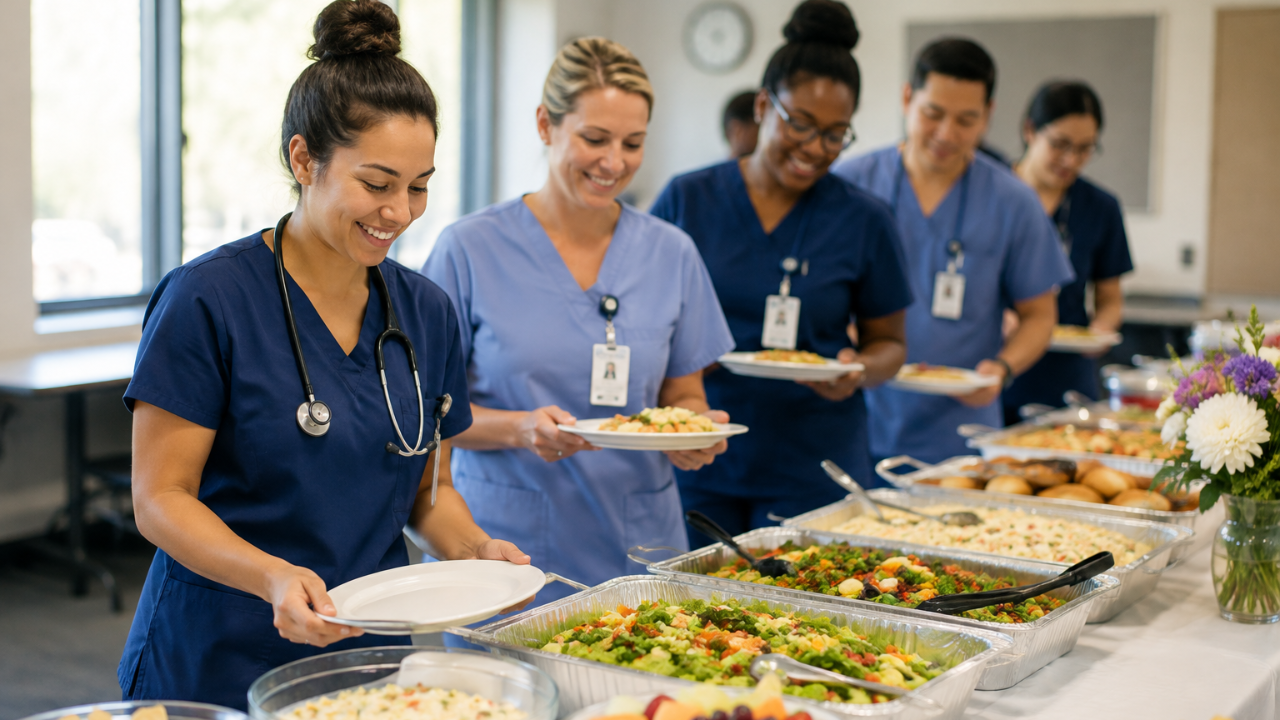
Who doesn’t love a good potluck?
Whether it’s a nursing home staff appreciation lunch, holiday gathering, church event, family reunion, or office celebration, potlucks bring people together over homemade favorites. From creamy potato salad to Grandma’s famous casserole, they’re often filled with comfort food and great memories.
But here’s the question…
Have you ever wondered how long that potato salad sat in someone’s car before they arrived?
Or whether that slow cooker was actually keeping the food hot enough?
As healthcare professionals, we spend our days teaching infection prevention and protecting vulnerable populations. Yet when it comes to potlucks, many of us unknowingly take risks we would never allow in a healthcare setting.
Let’s take a closer look.
Why Potlucks Can Become a Food Safety Problem
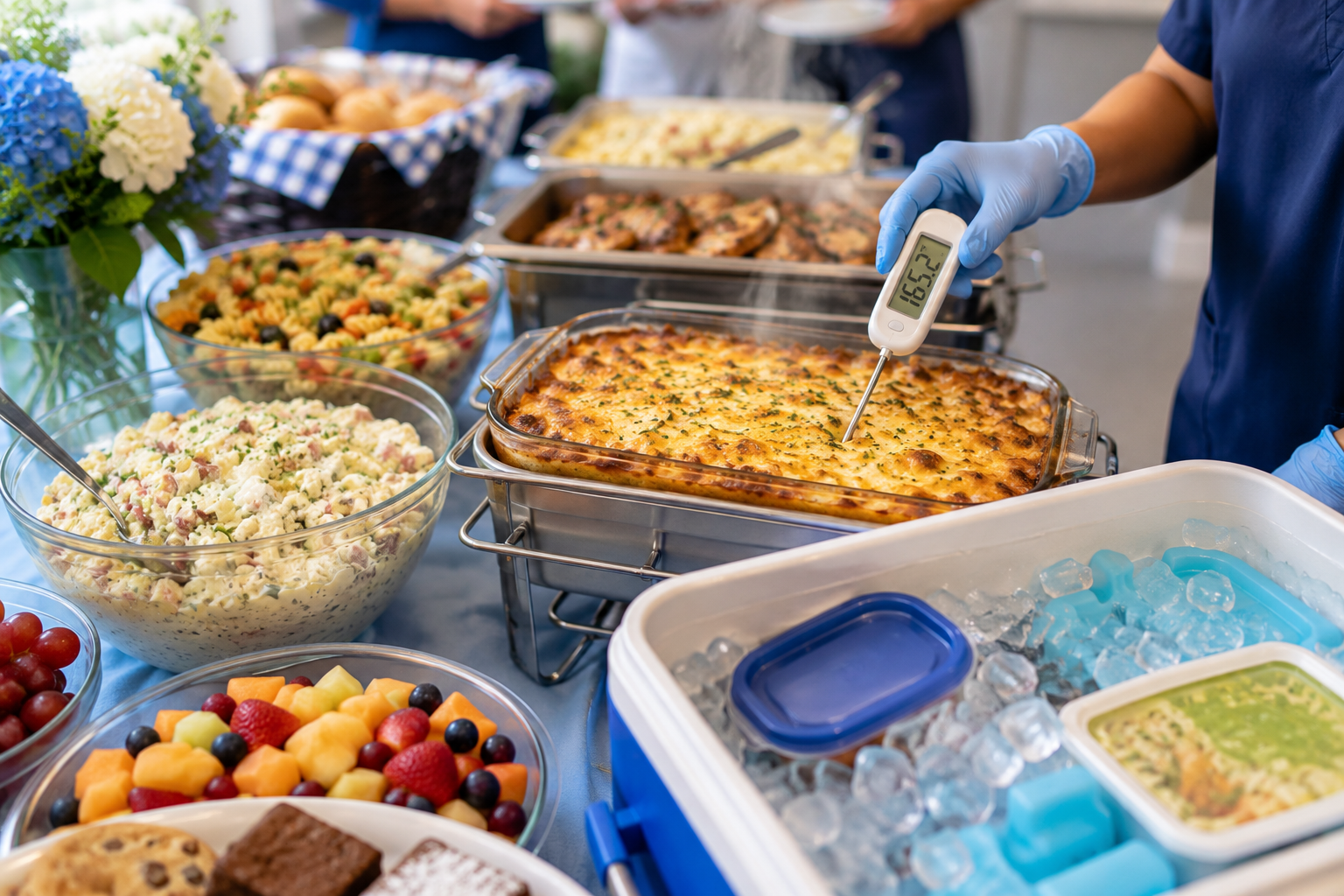
The biggest concern isn’t whether someone washed their hands (although that’s important!).
The real issue is temperature control.
Bacteria grow rapidly when food sits in the “Danger Zone” between 40°F and 140°F (4°C–60°C).
In fact, harmful bacteria can double in number in as little as 20 minutes under the right conditions.
That’s why a dish that looks—and even smells—perfectly fine may actually be unsafe to eat.
The Foods That Deserve Extra Attention
Some foods require more caution than others.
High-risk foods include:
- Potato salad
- Pasta salad
- Macaroni salad
- Egg dishes
- Cooked rice
- Meat and poultry
- Seafood
- Dairy-based dips
- Cream-filled desserts
- Cut melon
These foods should never remain at room temperature for extended periods.
The Two-Hour Rule
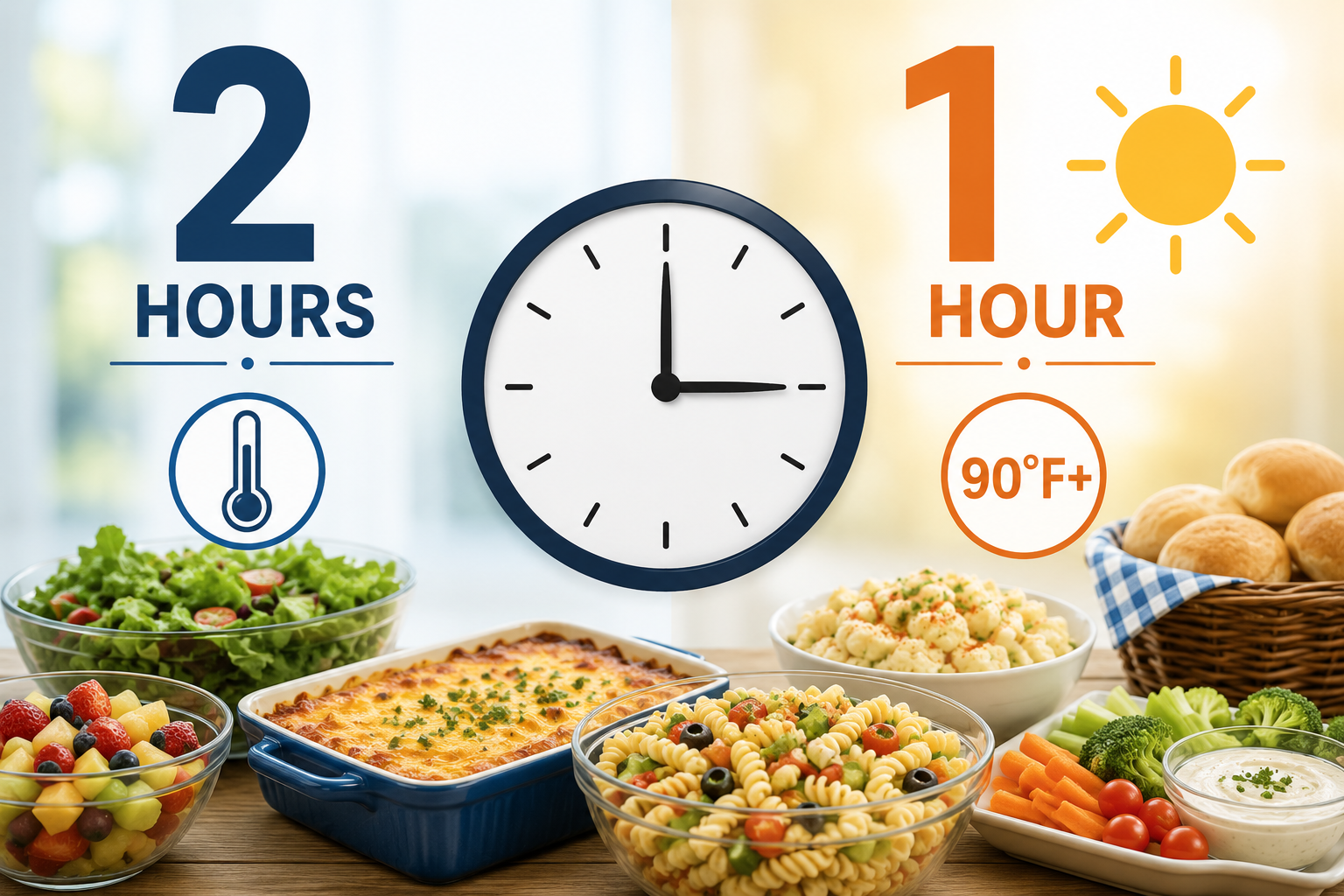
One of the easiest food safety rules to remember is the Two-Hour Rule.
Perishable food should not remain at room temperature for more than 2 hours.
If the outdoor temperature is 90°F or higher, that time drops to just 1 hour.
After that, harmful bacteria may reach unsafe levels—even if the food still looks and smells normal.
A Potluck in a Healthcare Facility
Imagine this scenario:
The dietary department prepares a staff appreciation potluck.
The food arrives at 11:30 a.m.
Staff members are busy passing medications, assisting residents, answering call lights, and completing treatments.
Lunch isn’t served until nearly 2:00 p.m.
Would you still eat the chicken?
As nurses, we know that vulnerable individuals—including older adults, pregnant women, young children, and people with weakened immune systems—can become seriously ill from foodborne bacteria.
The same food that causes mild stomach upset in one person can lead to hospitalization in another.
How to Make Potlucks Safer
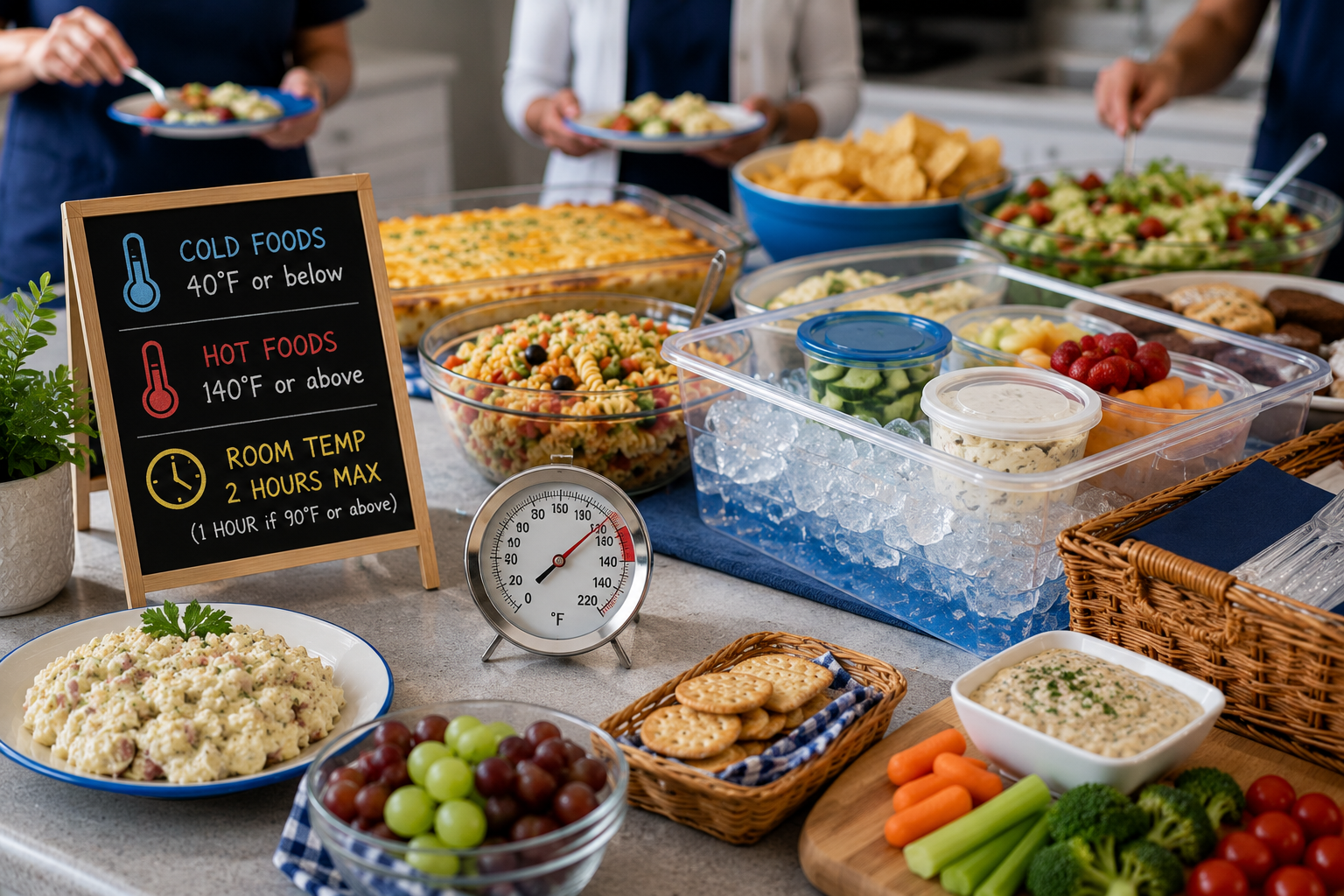
Fortunately, a few simple precautions can dramatically reduce the risk.
Keep Cold Foods Cold
Store cold dishes at 40°F or below using coolers or ice.
Keep Hot Foods Hot
Maintain hot foods at 140°F or higher using slow cookers, warming trays, or chafing dishes.
Don’t Guess the Temperature
Food thermometers are inexpensive—and one of the best ways to verify food safety.
Serve Smaller Portions
Refill serving dishes as needed instead of placing everything out at once.
Cover Food
Protect food from insects, dust, and accidental contamination.
Wash Hands Often
Everyone preparing or serving food should practice proper hand hygiene.
When in Doubt, Throw It Out
If you’re unsure how long a dish has been sitting out, it’s safer to discard it than risk foodborne illness.
Food Safety Is Everyone’s Responsibility
As healthcare professionals, infection prevention doesn’t end when we leave the patient care area.
The same principles we use to protect residents can help protect our families, coworkers, and communities.
A delicious meal should create memories—not food poisoning.
Final Thoughts
The next time you’re invited to a potluck, don’t be afraid to enjoy the food—but take a moment to think about how it has been stored and served.
A little awareness can go a long way in preventing illness.
After all, good food brings people together—but safe food keeps everyone healthy.
Take the next step with continuing education designed for LVNs who serve with purpose.